There’s so much to say and so many different roads that my thoughts lead down that it’s hard to really pin down a cohesive thought about my trip. But before it gets lost in my mind, I want to write some.
(I should mention that this trip would not have been possible 1. If I weren’t in Europe for many reasons – I have the time available (not working), the distance is much shorter and I have stupid travel anxiety (and it was a little less money with the shorter distance) 2. Without the contributions and prayers of my family and friends)
“How was Africa?”
I’ve been asked so many times how the trip went, but what is anyone really asking? Are they asking how MY trip was? Like did I have a good time or did it change MY life? Asking how the medical clinic days were and if we made amazing medical interventions? Asking how we were received by the communities we ministered to? Or are they asking from the religious side and how many people accepted Jesus?
I really should ask more questions when they probe so I know which path to take, but either way, it was a complex trip that is hard to have a quick answer for.
Rwanda
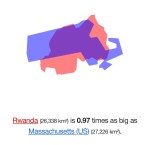
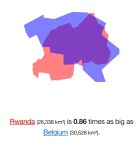
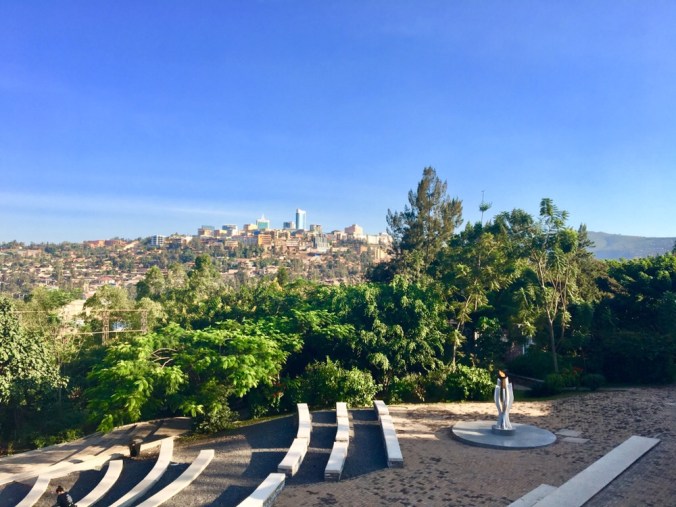
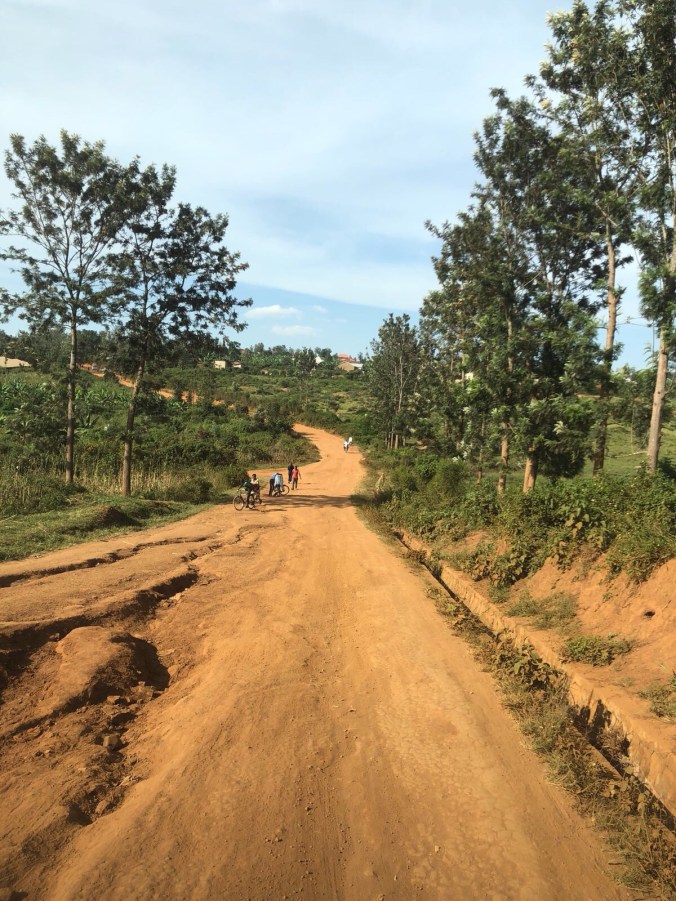
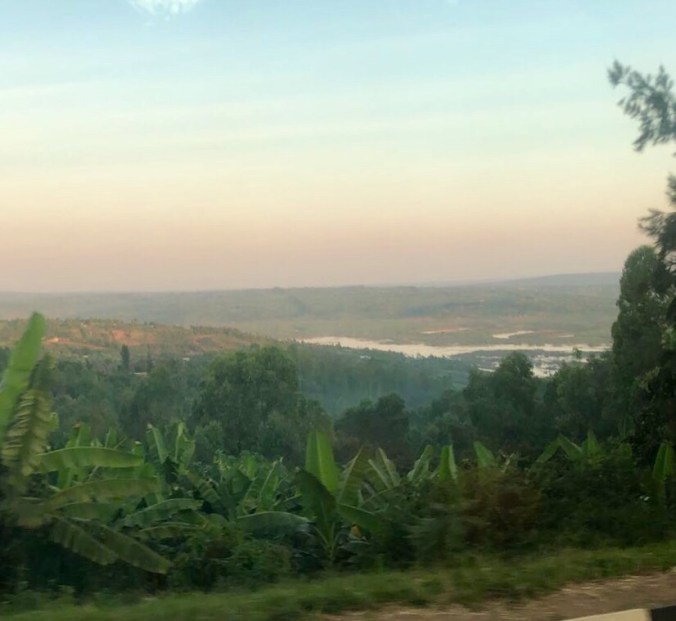
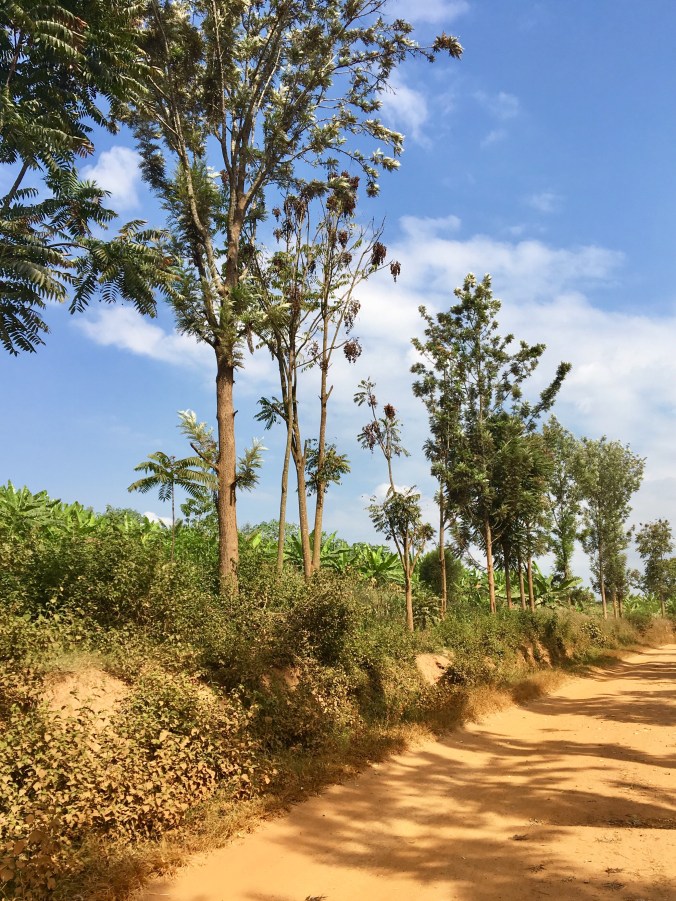
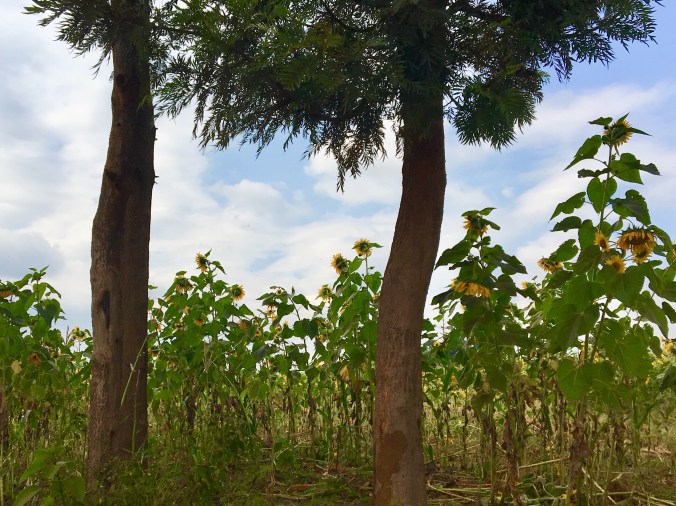
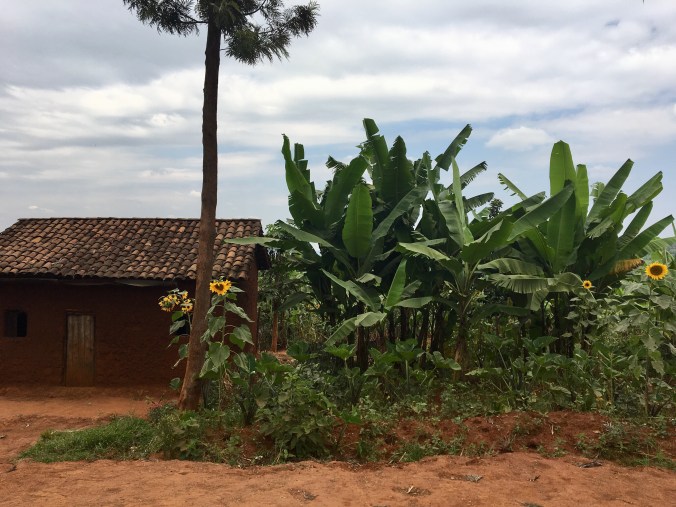
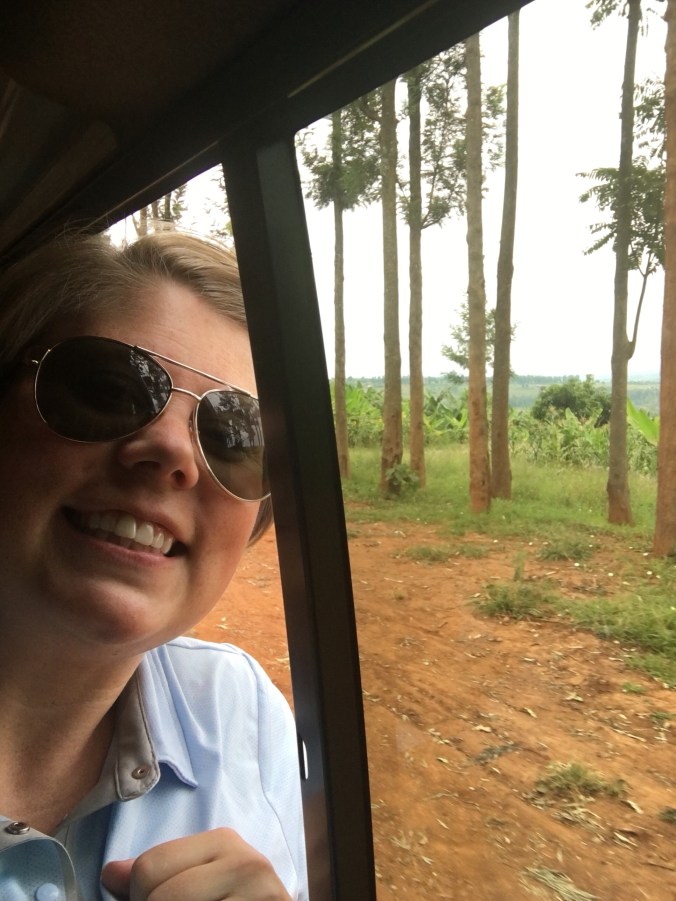
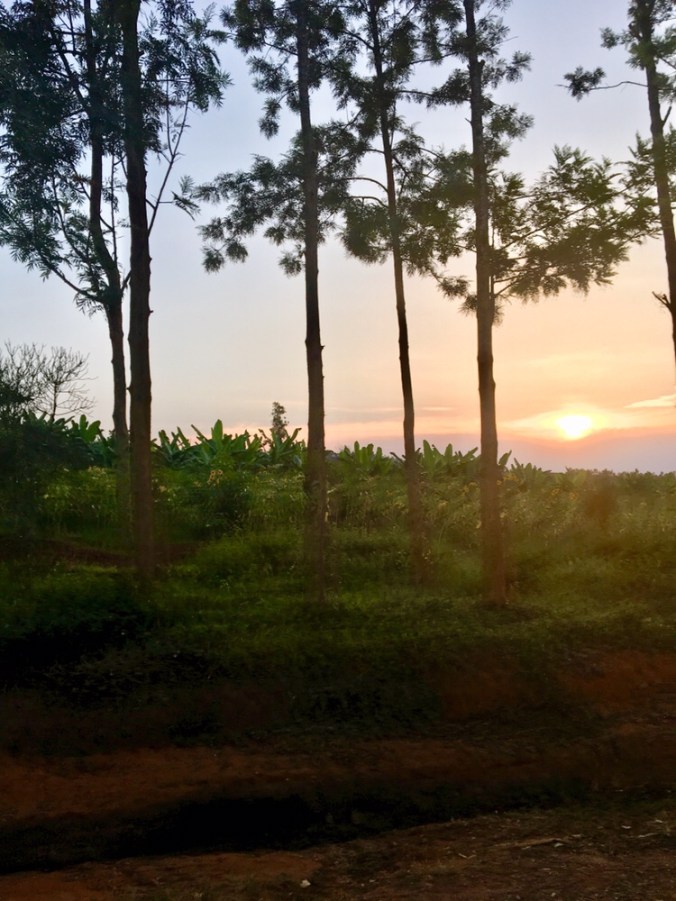
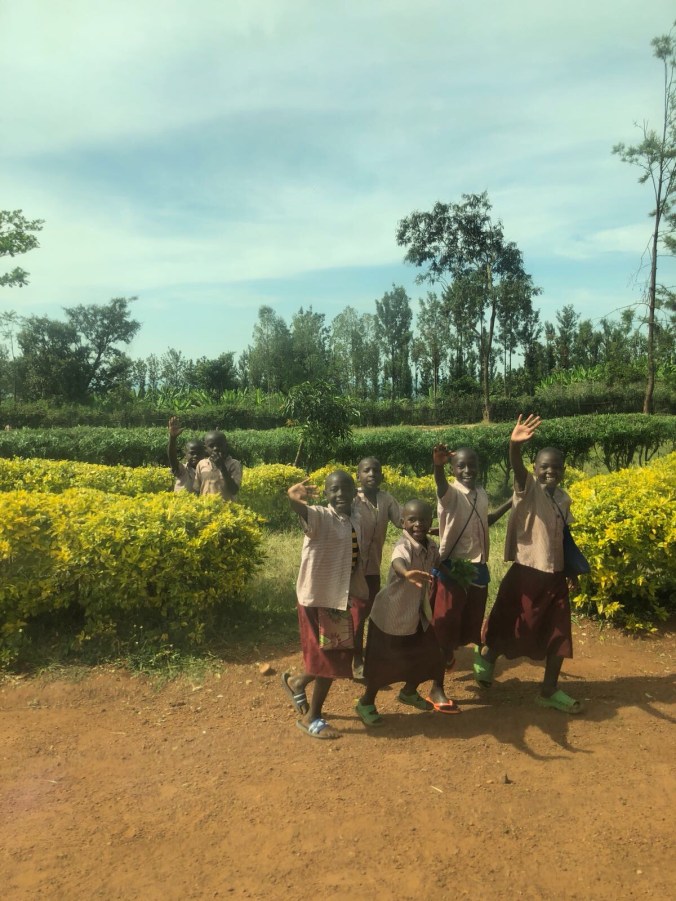
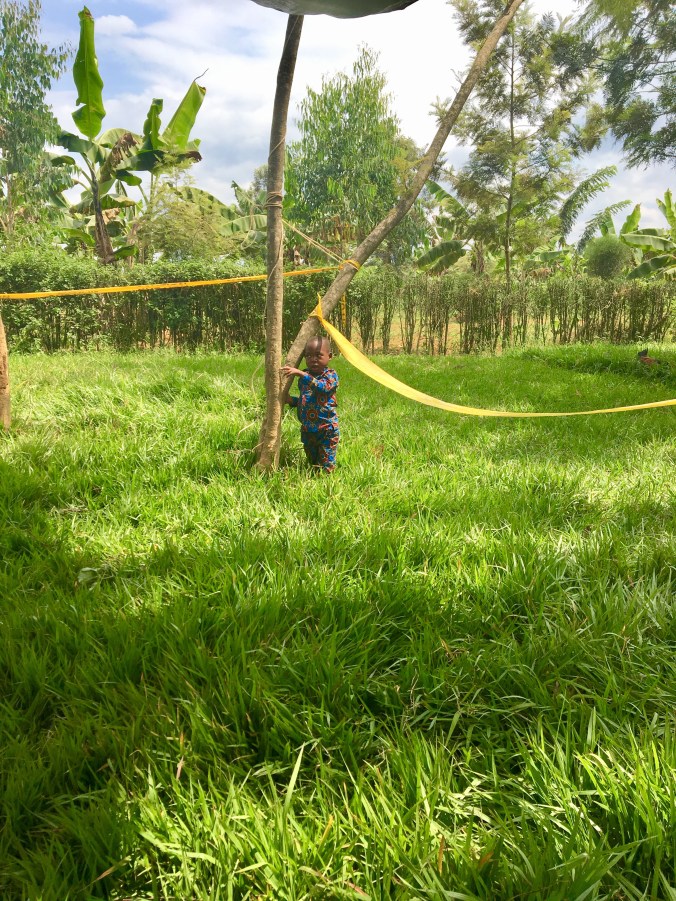
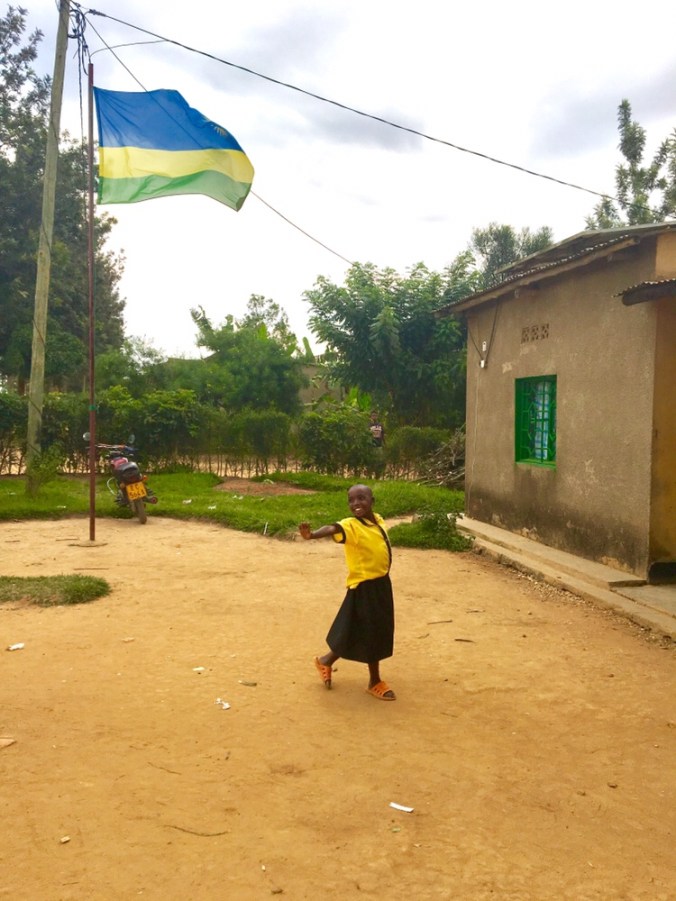
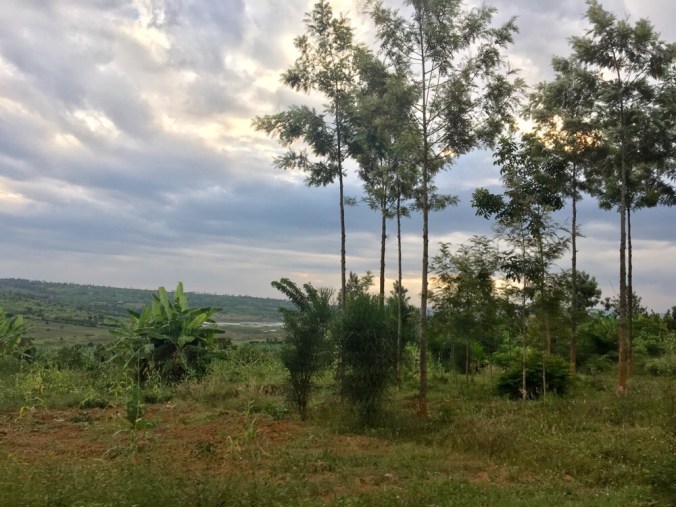
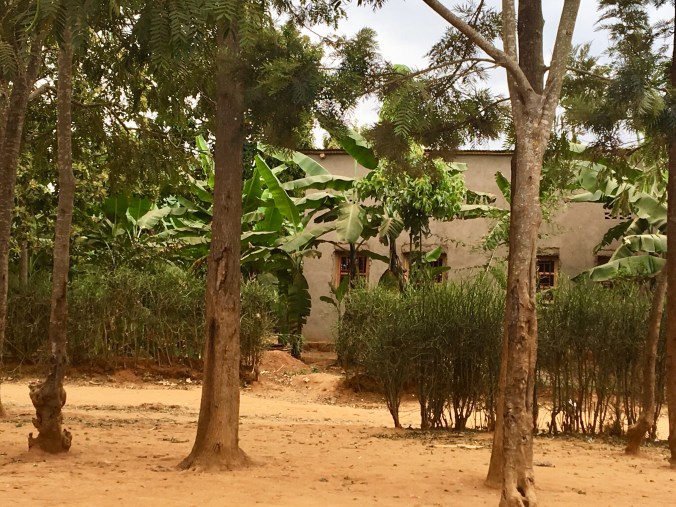
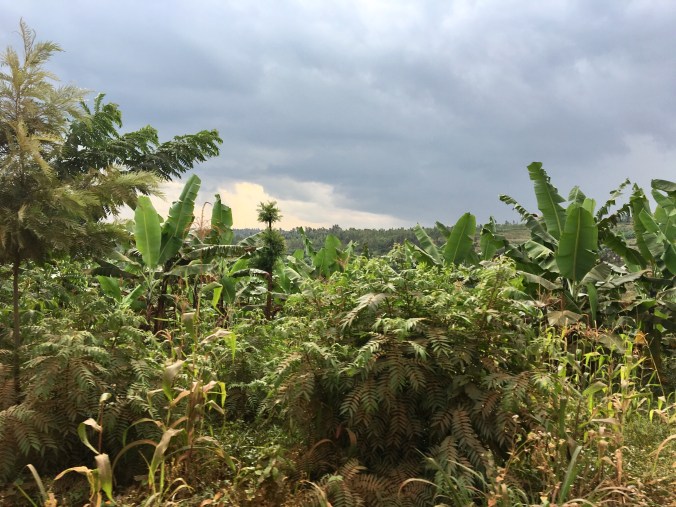
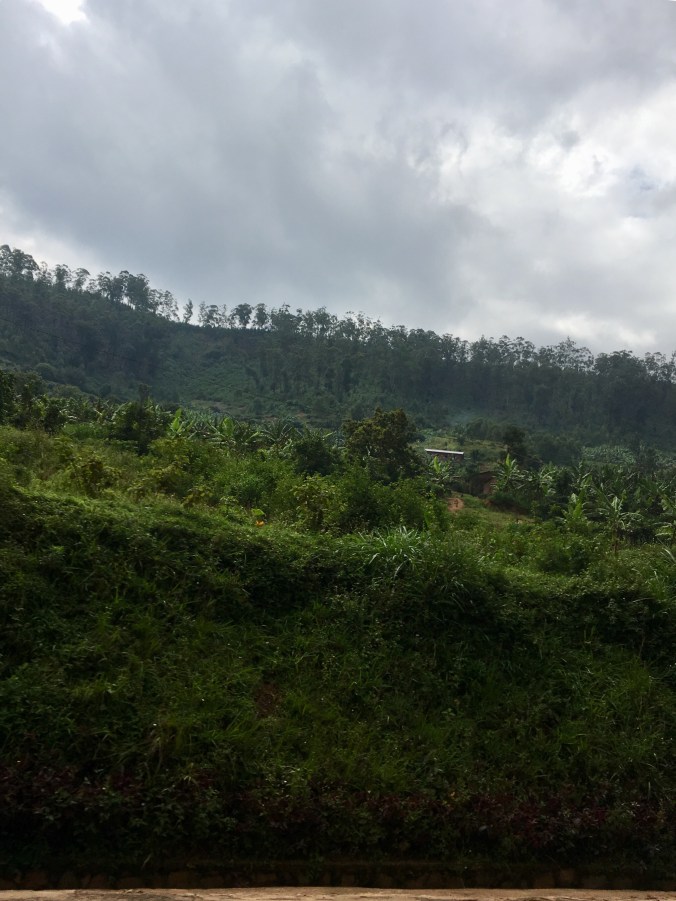
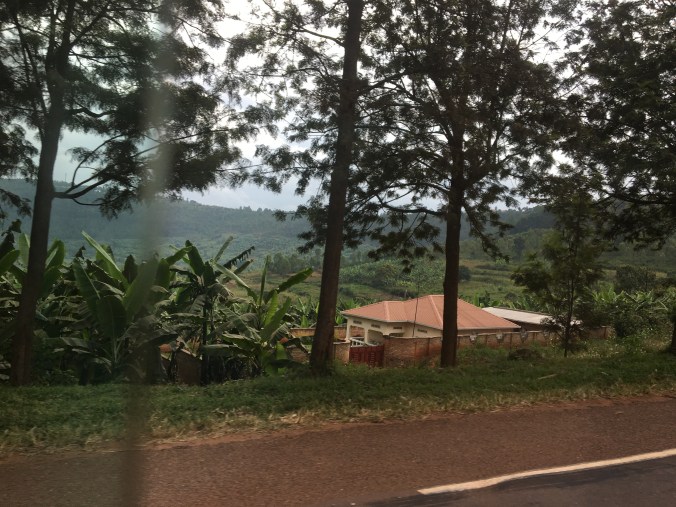
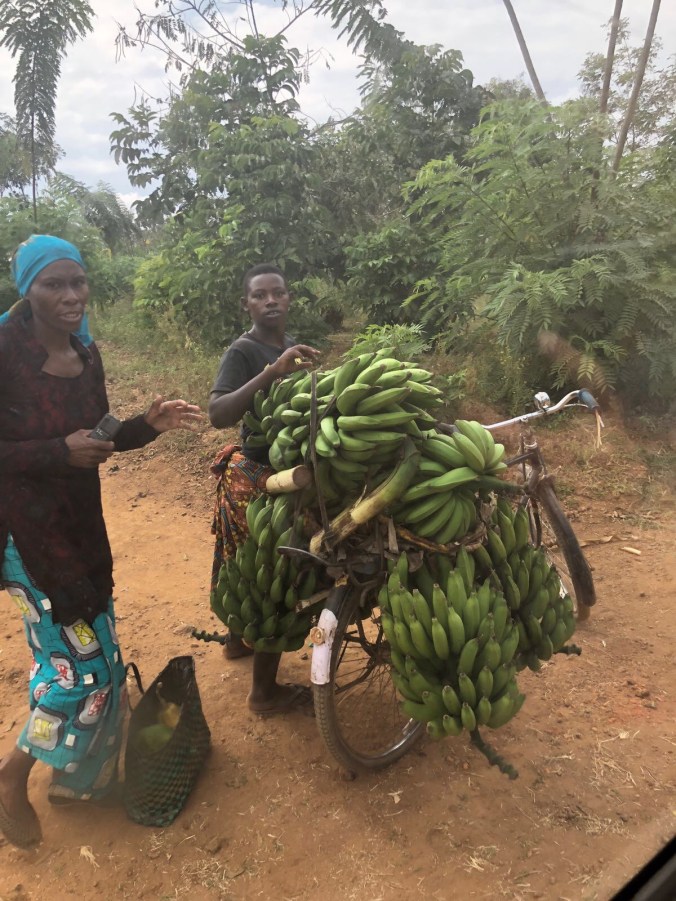
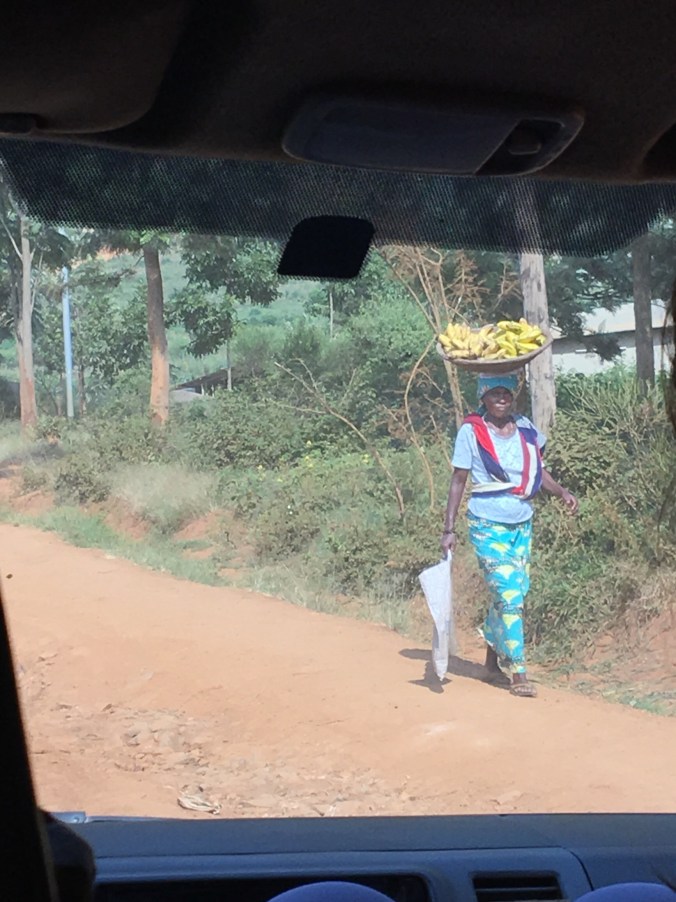
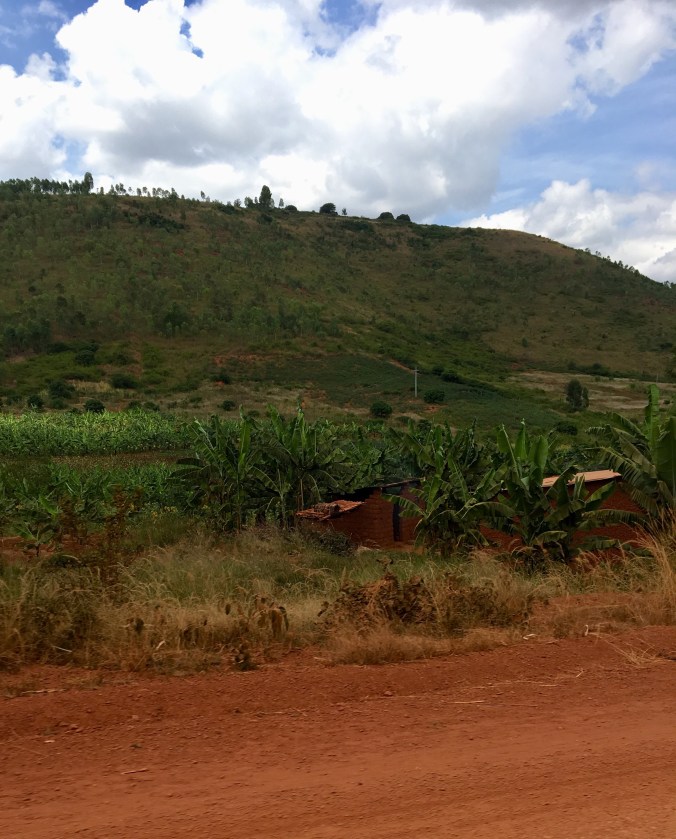
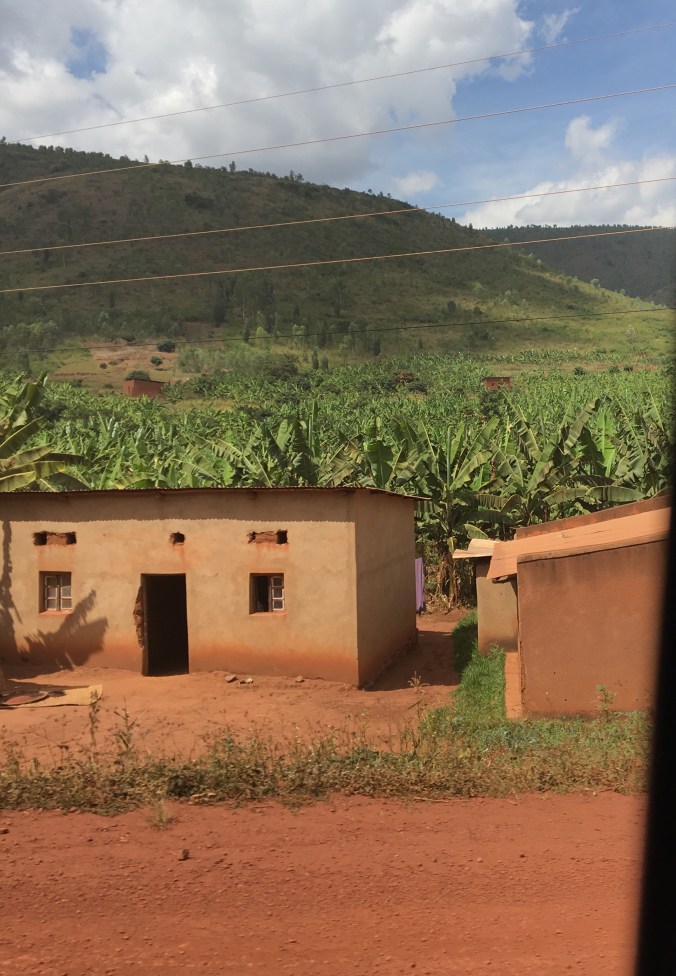
The country is beautiful. It is also a very small country – roughly the same size as Massachusetts (sq meters anyway). It’s in the middle of Africa where the land is very lush. There are miles and miles of banana trees and so many other green plants. We saw millet (kind of like a corn), corn, papyrus, potatoes, banana trees, sunflowers, and others I didn’t get the name of. The ground/dirt is hard red clay and when it’s not the rainy season, it is very dusty. Our clothes were all covered in red dust. (Pictures at bottom)
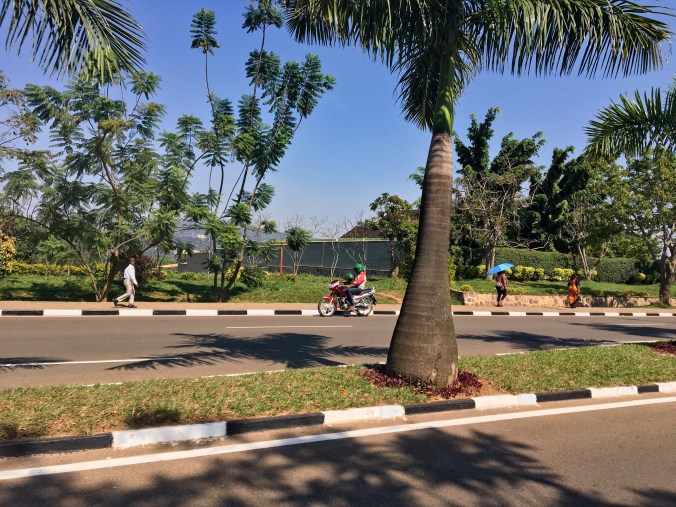
Rwanda is also very clean. In fact, it’s considered the cleanest country in Africa. The whole country gets together one day a month and has a “clean up” for a few hours. They don’t allow plastic bags of any kind – so no ziplock bags, grocery bags, etc. The plastic bag ban is part of the country’s initiative to be green and clean. One of the reasons plastic bags were banned is because burning them (how they get rid of most garbage) releases toxic fumes. Another is that if they weren’t burned, they were often disposed of improperly and could cause flooding from damaging their drainage system.
I read this beforehand and am glad I didn’t take any. I think they just throw out personal ones (some they let slide) at the airport, but I’ve read you can get a hefty fine for having them in the country – so much so that there is a black market type thing and smugglers try to bring them in across the borders. 😳 For ziplock? Seems kind of crazy, but let me just tell you how difficult it was to not have them. It’s one of those things you just don’t even think about UNTIL you can’t use them. I desperately wanted to put my red clay clothes and shoes inside of a grocery bag, but I didn’t have any.
Medical clinics
We had 3 medical clinic days (shortened from 4 for some paperwork/legalities as it was the first time for them in Rwanda) in the Nyamata area. I would guess that the total area we covered was 30-40km (15-20 miles?) The hardest part is to see the patients that stood in line for hours and couldn’t be seen. It’s painful and heartbreaking. While we were limited and not everyone was seen, I am confident we healed many and truly believe having a team come at all gives them hope.
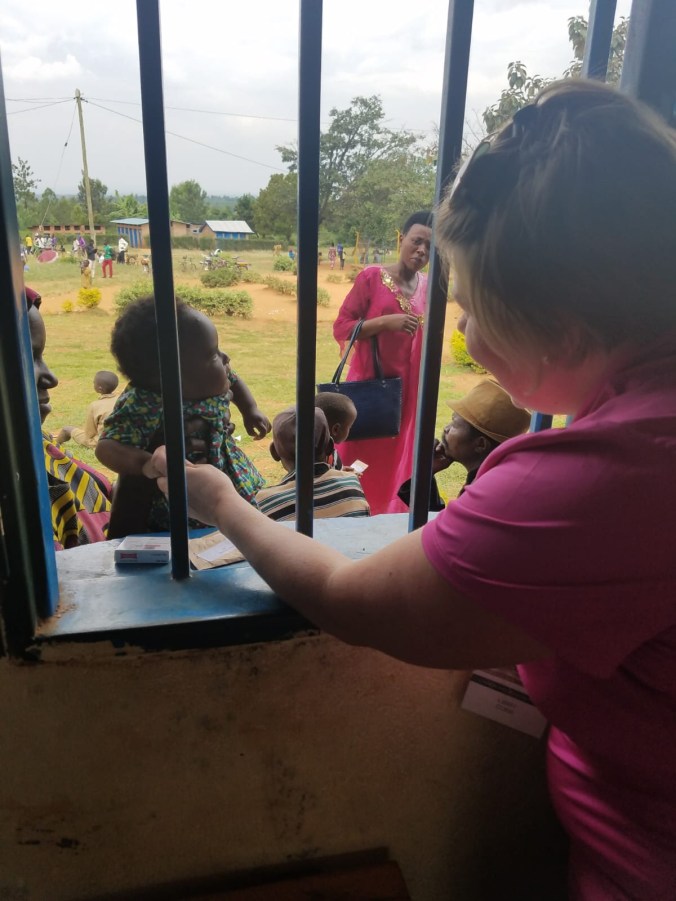
The clinic was set up in 4 stations – triage, provider, pastor, then pharmacy. Each patient was given a large index card to fill in their name and age, then the card was taken from station to station and filled out. At the triage station, our nursing interns (with translators) took down vitals and main complaints. Then the patients waited to see the providers. We had multiple nurses, a NP, a pharmacist and 2 Rwandan doctors seeing patients. After the patients saw the provider, their medication card was brought to us to fill while they were visiting a local pastor where they learned about Jesus. Then they came to us to pick up their medication.
The team saw 925 patients and dispensed 4375 meds. The most common complaints seemed to be headaches and back pain (I’m sure from carrying/pushing goods), dry eyes/eye pain- so many of them had very, very red eyes from the dust, worms, complaints of malaria and lots of other infections.
The Pharmacy
As mentioned above, after the patients saw the provider, they visited a local pastor to learn more about the Gospel, giving us time to prepare their medications.
The card the patients carried from station to station had all the information on it by the time it reached us – Age, vital signs, pregnant/breastfeeding, gender (had to ask our fellow teammates to help us out with this one!), chief complaints, and provider’s rough diagnosis. On the back of the card, all of the medications we stocked were listed and the provider circled what they wanted.
Similar to my real-life pharmacy gigs, I feel like I literally questioned every. single. one. “Are they pregnant?” – can’t have aspirin or ibuprofen or that antibiotic or that one. “Are they breastfeeding?” – can’t have that antibiotics, switch to that one, and add 8 months of multivitamins (same for pregnant mamas). “Do we think they really have a UTI or STI?” – let’s switch antibiotics. “Doesn’t prilosec interact with this antibiotic?” – change to tums. “Doesn’t cipro interact with that?” – maybe I should change to cephalosporin. “Can you give Prilosec to someone with tapeworms?” – TUMS (tums is the answer to everything, except it has to be separated from lots of antibiotics by a few hours). “Is this a small child?” – needs a liquid. “Can a 9 year old swallow a pill?” – change that to tablet (my 10 year old can’t swallow, but my 9 year old can – turns out they all can at like 4 there). “Is the age on this children’s medication appropriate? It’s by age and not weight and our kids weigh more. Is the dose the same?” (It just said age 1-2, 2-5, etc).
Just like I know it is hard for the providers to work without any physical tests or labs or anything, it was SUPER difficult for me and my obsessive self. I’ve only worked in environments with access to SO MUCH DATA, that I barely know what to do without it. Add that to the fact that we had no internet to check anything extra out (I do have a very nice app downloaded, but that can only reassure you so far).
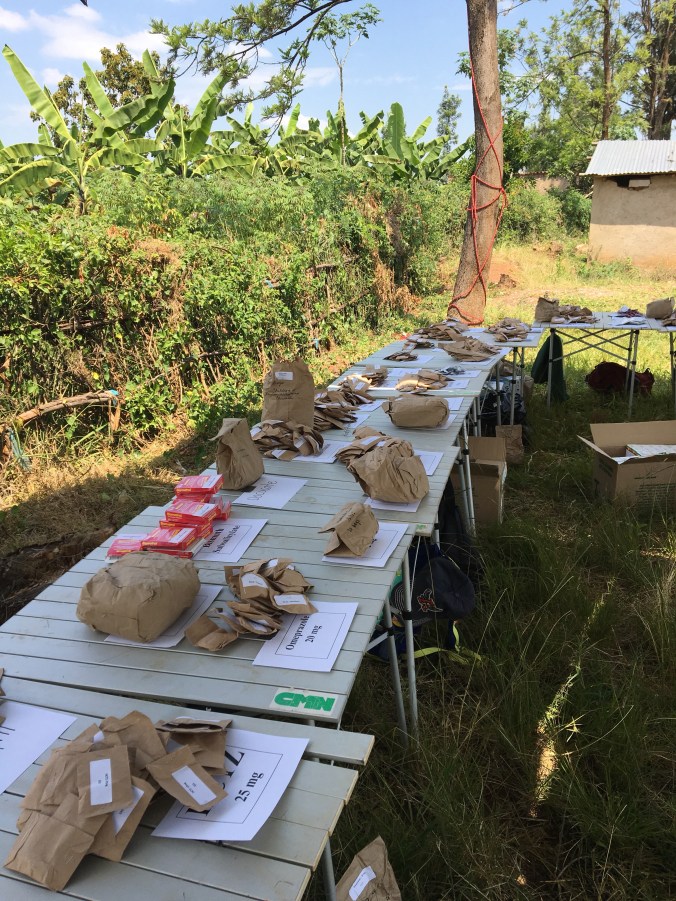
Another seemingly strange hurdle for the pharmacy is the plastic bag ban. How in the world do we get medication to patients (hospital pharmacist here) WITHOUT a baggie??? I live for baggies! Baggies in baggies ON baggies 😂! Well, you can see what was prepared ahead of time for us in the pictures below – the Mississippi team prepacked all the meds in little paper bags. They looked lovely, but paper tears VERY easily. We had pills falling out left and right.
Finally, once I had obsessed over the accuracy of each medicine enough (and ran it by Ginger – she SO loves working with me 😂), we would pass the medications to our translator, Emmanuel. Emmanuel is from Rwanda, speaks excellent English and is in medical school in Moscow (so he also speaks Russian). He was fantastic. We were so very blessed to have a medical student to translate and counsel our patients.
We had three pharmacists on our team (which is a lot!), and one was brave enough to step out of the pharmacy’s somewhat relative comfort zone and help the providers. She did an awesome job. I think I would have been far too out of my zone to do that, but I kind of wished I had. My interactions with the patients were so limited being behind the scenes and I am sad I didn’t push myself a little harder, though I know I was valuable where I was.
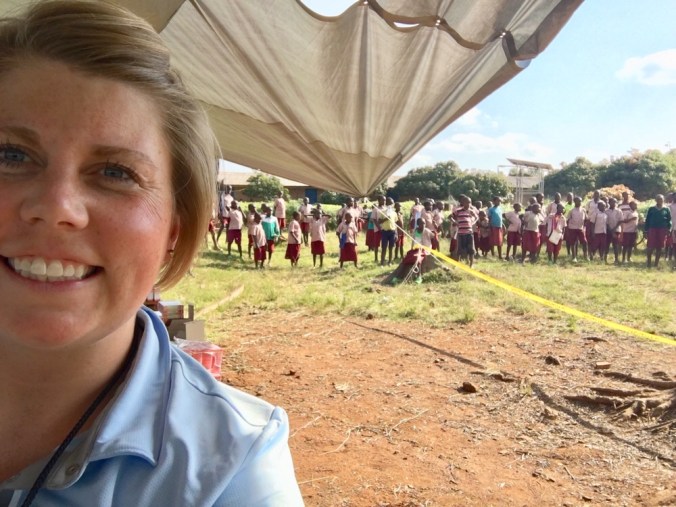
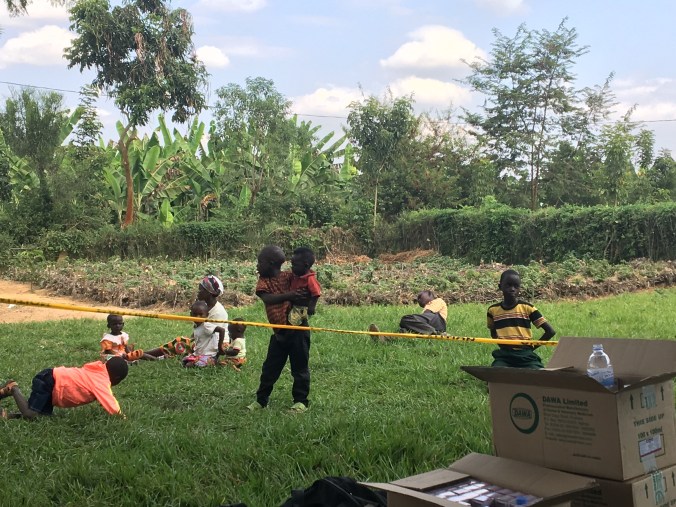
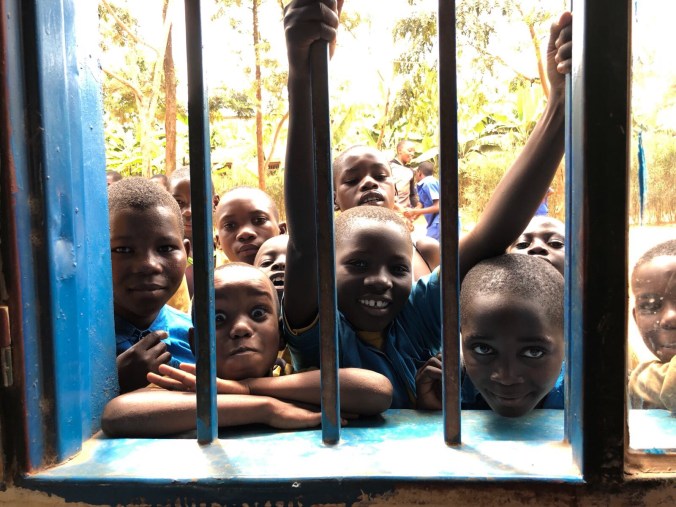
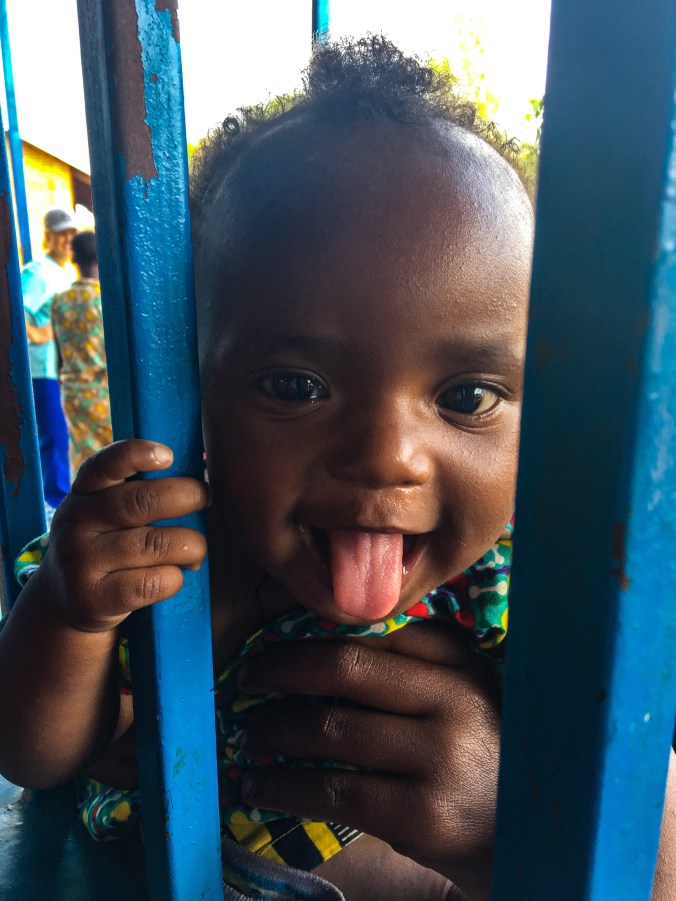
Some things that stood out: patients mostly wrote the year they were born for their age; it is very difficult to determine gender from their names, hence us needing help from our teammates; all the mothers carry their babies on their backs wrapped tightly in towels/long cloths – even as little as 1 week old; they wear their nicest clothes for the clinic; lots of mothers and children dress in matching fabric (just like me!), children around 9 and up picked up their own prescriptions and listened to the counseling; they really liked to gather around and just watch us; and kids constantly trying to sneak in past our caution tape to steal empty water bottles or empty medicine boxes…which leads me to what stuck with me the most.
My take-aways
Food. Yes, I’ve seen the commercials and knew to expect the whole gammut of emotions when you see a hungry child. But being there and physically being present for it is just so much harder than you would think. I struggled with eating while I was there. I really, really didn’t want the granola bars I brought (or the PB or tuna). The team kept pushing us to make sure we ate while we were working. But I just couldn’t force myself to eat another Nature Valley bar. As I’m whining to myself, I look behind me and see a kid about 7 years old had snuck under our caution tape and was sitting by us. He was eating one of the boxes the liquid medicine came in (like a children’s Tylenol box). He’s tearing off bits of thin, papery cardboard to eat and I’m having an internal struggle about a granola bar? Ugh. There were a few ladies working with me who have been on multiple missions and they said it’s not uncommon. I just couldn’t let it go! I know they didn’t want me to keep talking about it, but it will be forever etched in my mind. I also saw a kid on the street chewing a ginger root – I wouldn’t be able to handle one bite. How do I recover from that? How do I stand over the garbage and toss out the food my kids refuse to eat? How do I not get crazy angry at my kids for not eating said food?
Glasses. Another thing that stood out to me, which I didn’t put the pieces together until after, is that some complaints of eye pain are likely because they don’t have any way to correct vision loss. I did not see a single person with glasses. I know a lot of missions have eyeglasses clinics, but that wasn’t a part of our ministry. I’ve worn eyeglasses since I was 8 and it’s one of those necessities I am 100% oblivious to – it never crosses my mind because I’ve always had them when I need them. One lady mentioned that she “just wants to read her bible”.
Trash. Aside from the humanitarian points, one of my huge take-aways from the trip was not only how little trash there was in general, but how much trash *I* seem to produce. I couldn’t get over it. I kept looking for a place to put my granola bar wrapper (when I humored eating it), but there weren’t any. As we set up and worked in the pharmacy, we also acquired more and more garbage and I kept shoving it in my pocket until we found a small box. Once we initiated the box garbage, it instantly overflowed. When we left, the box was burned (good thing there wasn’t any plastic bags!). Of course it makes sense that they don’t produce garbage like we do since they eat mostly produce and meat and don’t have access to the inordinate amount of stuff we do, but the difference is so stark.
Years ago I worked with an Indian pharmacist and had a conversation that has stuck with me since…and it’s about garbage. We were talking about how I missed a week or something for the garbage truck. He told me how they rarely even have ONE bag a week. They eat mostly fresh foods, so what garbage they have is mostly compostable; whereas, my family produces unbelievable amounts of garbage – prepackaged foods, cleaning products, diapers….the list is never ending. Every day, I’m shocked we can fill up an entire garbage can and I think of him almost every time.
The religious component
The other huge side of the trip was sharing and spreading the Word of God. I wasn’t directly involved in this side being in the pharmacy, but everyone who came on the trip was not medical. One part of the team was dedicated to working on building local churches for the pastors that were with us, and another part of the team was dedicated to working with the children at the local schools, teaching them bible stories and playing games.
Over the 4 days we had to minister, these teams were able to totally brick one new church (after dealing with multiple, multiple legal hurdles), and were able to teach 5600 children the Word of God.
Finally, though all their hard work, they had 162 new Christian believers!
MY trip
If I’m being honest, my personal trip went great. I had easy travel, good accommodations, etc. But it kind of pains me to say that, because it really wasn’t about ME.
I’m still trying to wrap my mind around the trip. It truly was an incredible experience. Its hard to see a life that is so different without feeling the guilt. The team leaders try to stress not to let the guilt creep in, but that is so hard.
Just like the people of Rwanda only know their own culture, I, too, only truly know how to be American. It is where I was born and raised. It IS what I know. IT IS ME. The difference is how very little access they have to anything else, where we seemingly have access to everything. They’re so interested in us because most of them haven’t seen “Mzungu” in real life before, let alone a pop-up medical clinic full of “Mzungu”. (Mzungu = white person).
As much as I’d love to believe I am soooooo well-rounded and understand all different ways of life, I really am only touching the surface of life outside of the US. I am so fortunate to currently live in Europe and learn more about their culture (which can be quite different, believe me) and even more fortunate to have had the opportunity to travel to Rwanda and experience some of their culture.
As great as our access is to the world these days with the internet, it still doesn’t prepare you for the true experience of being in it. And while I feel the pang of guilt, I’m trying to remind myself that I have the skills and opportunities and resources to DO MORE and help more.
I hope to be able to do more mission trips in the future, so stay tuned!
Absolute BEST part
But before I go, I must share the BEST part – the overly excited, joyous screams and fanfare we received driving through the country to the clinics. It seemed like everyone came out to watch, but ALL the children screamed and screamed with excitement. It was emotionally awesome. I hope I never forget how they sounded as they screamed “Mzungu! Mzungu!!” when we drove by. I’ll post a video on FB.
The trip in pictures!
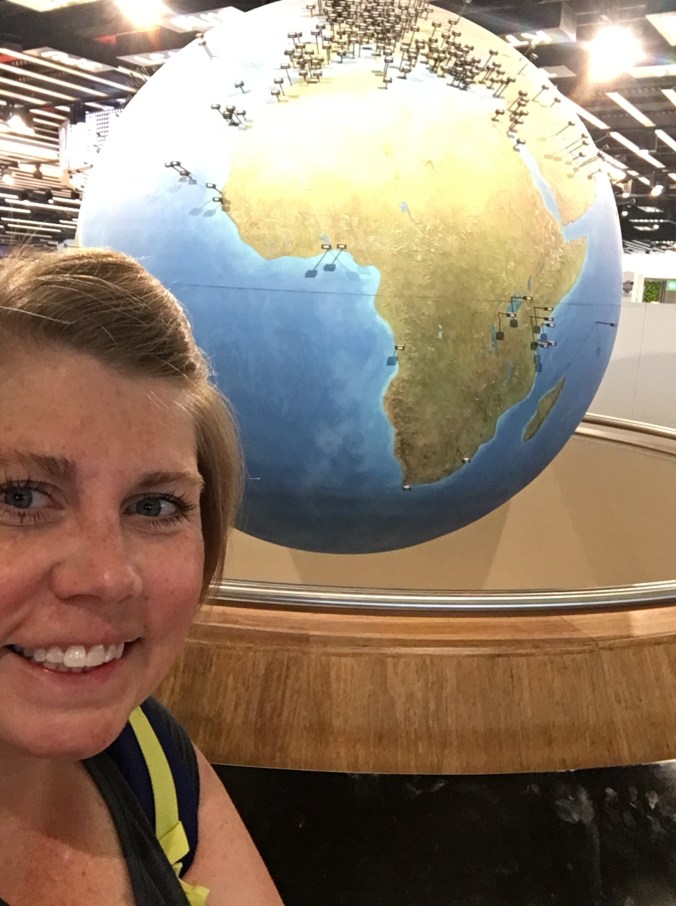
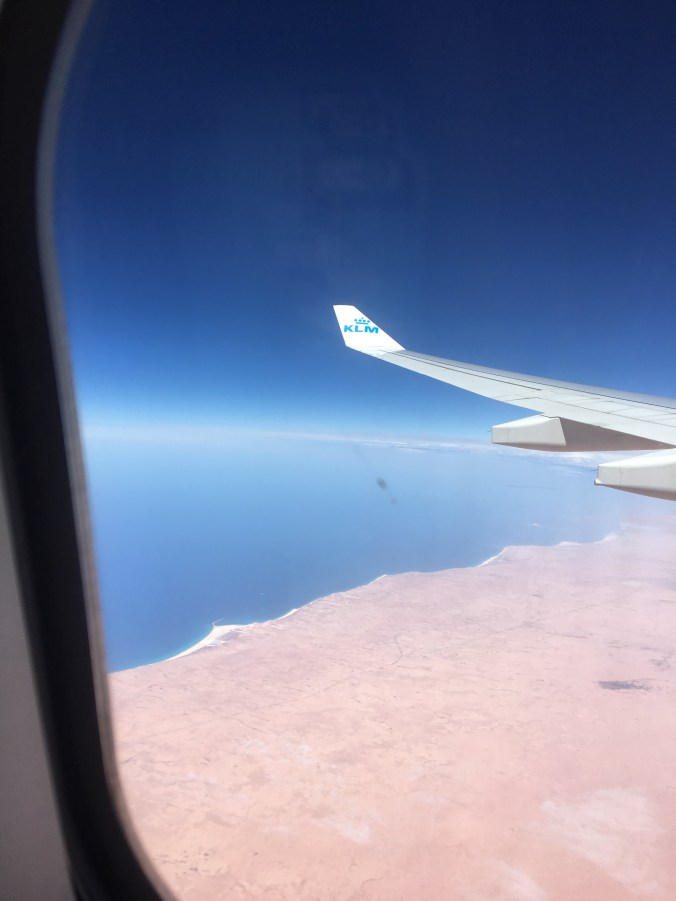
My first view of the continent of Africa! Amazingly clear, beautiful day and awesome
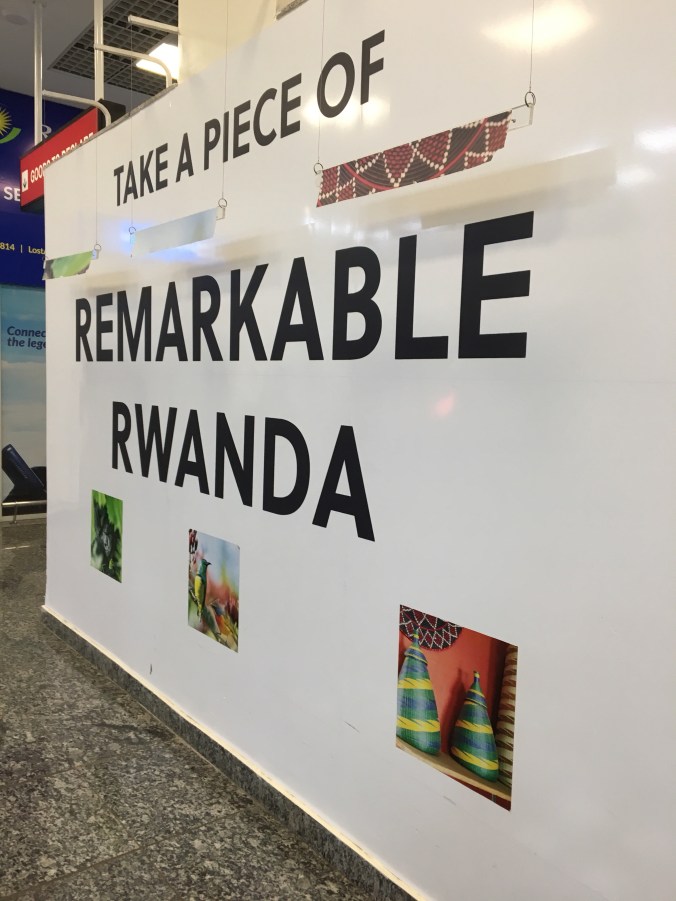
At the Kigali airport



 Cobbled
Thank you for writing about your mission trip. I was wondering while reading how do they get refills?
Did you see any diabetic patients?
LikeLike
No refills. Most medicines aren’t something to continue – antibiotics, deworming, pain meds (ibuprofen/Tylenol), tums, etc.
We didn’t see any known diabetics and they didn’t do finger sticks. We did have 2-3 patients with high blood pressure. They can go to permanent clinics for follow up, but I think they’re kind of far away (considering they walk).
Thanks for following!
LikeLike
Sounds like an amazing trip! Thank you for your humanitarian efforts. Just curious, what were the medicines prescribed for deworming? What were the dosages? How did the doctors know they needed those medicines? Were their symptoms different than the symptoms Americans get? I’ve been studying a lot about this and find it fascinating as well as very informative.
LikeLike
We treat worms with albendazole. The dose is standard at 400 mg for roundworm and hookworm, which I assume is what they were treating? With the exception of children that needed smaller doses than 200 mg, the doctors gave the deworming medicine to the patients while they were being seen, so I’m not sure how they determine if they have worms? But some patients had already had a treatment for the month (from what I understand) at another clinic? It was hard to be secluded in the Pharmacy because then you don’t get to see the whole picture.
I also think it’s like a constant condition for them vs any American who may get it, based on their living conditions
LikeLike